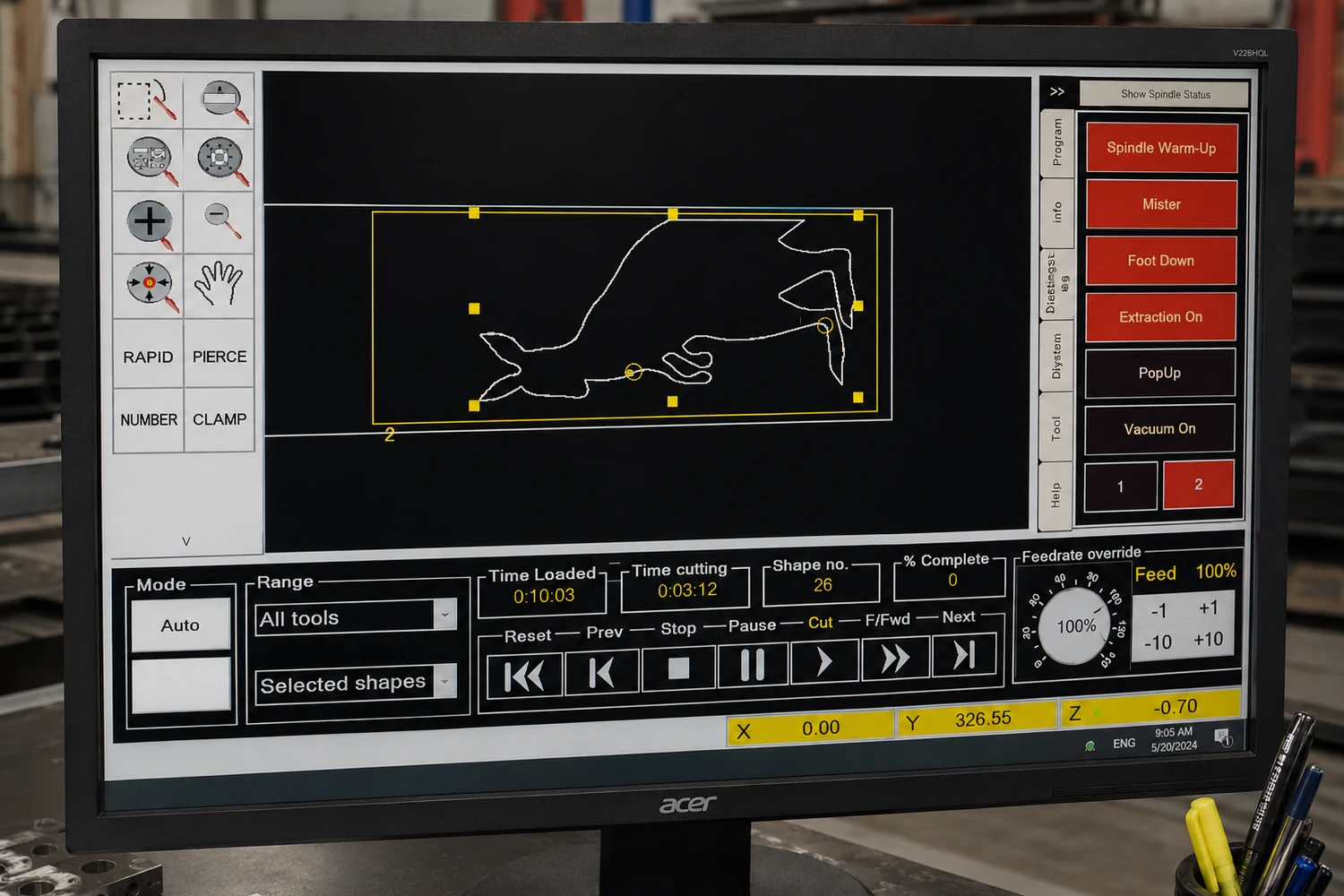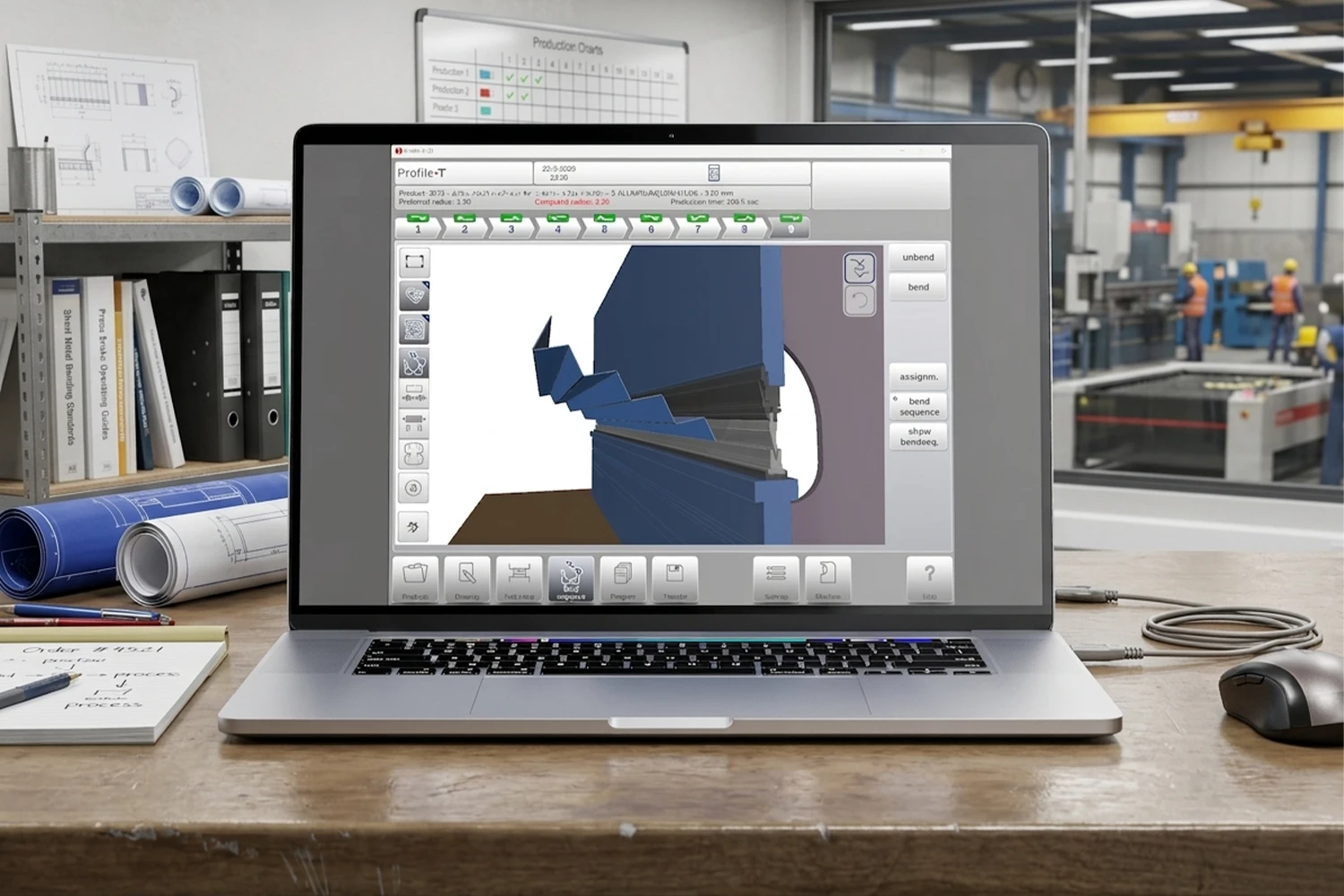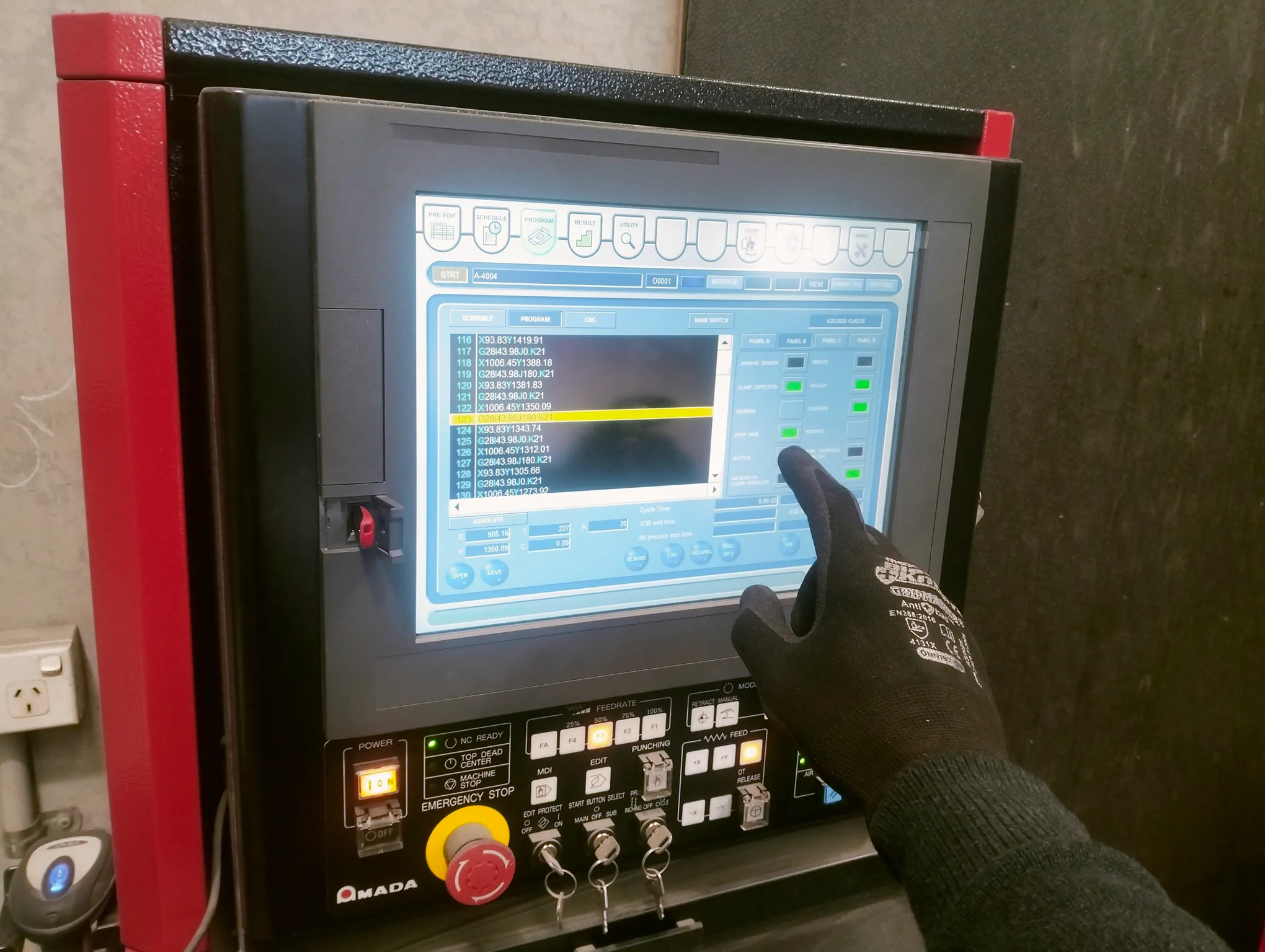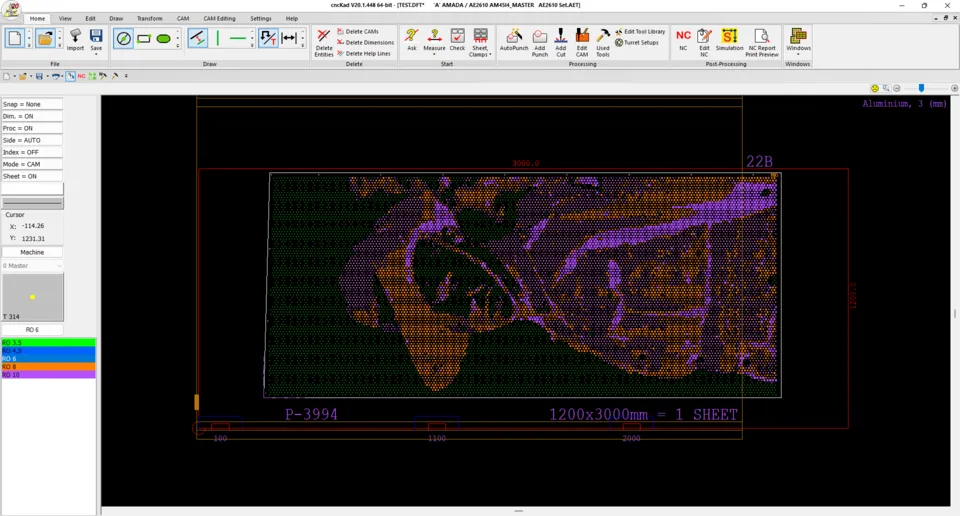
Technical programming support that helps turn drawings into efficient, manufacturable outcomes
Our CAD/CAM programming process helps translate drawings and design intent into manufacturable outputs.
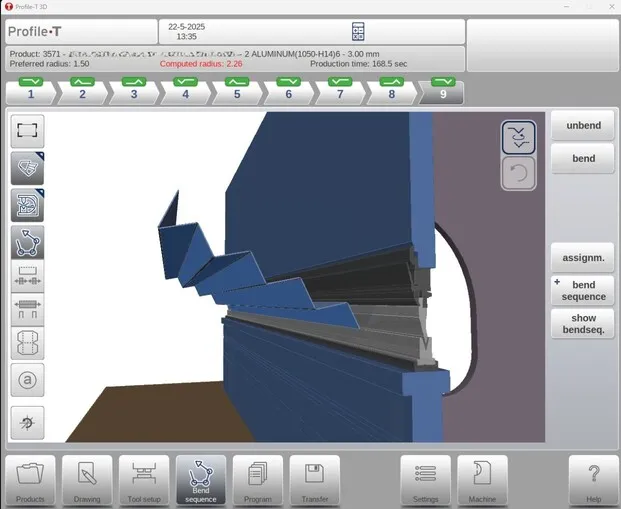
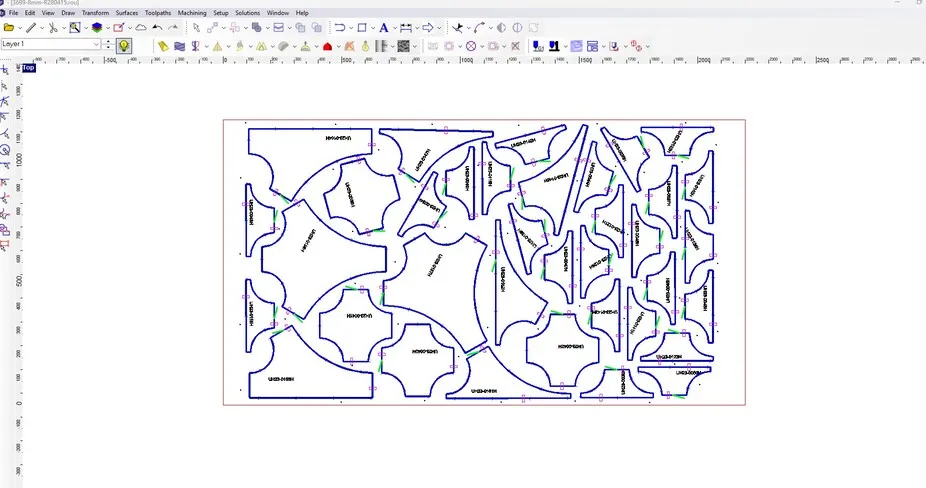
By reviewing details early, optimising sheet layouts and validating machining or fold sequences before production, we help reduce waste, improve accuracy and support smoother project delivery.
Precise Metal Products combines technology, practical expertise and collaborative support to produce accurate, detailed components for complex architectural projects.
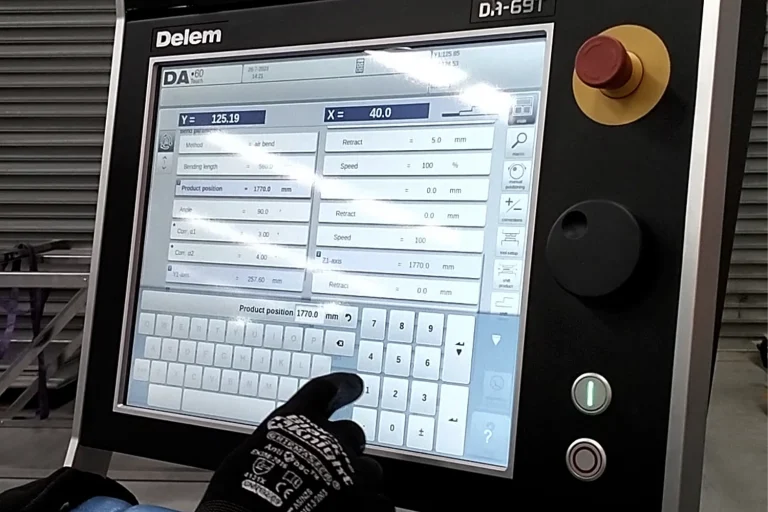
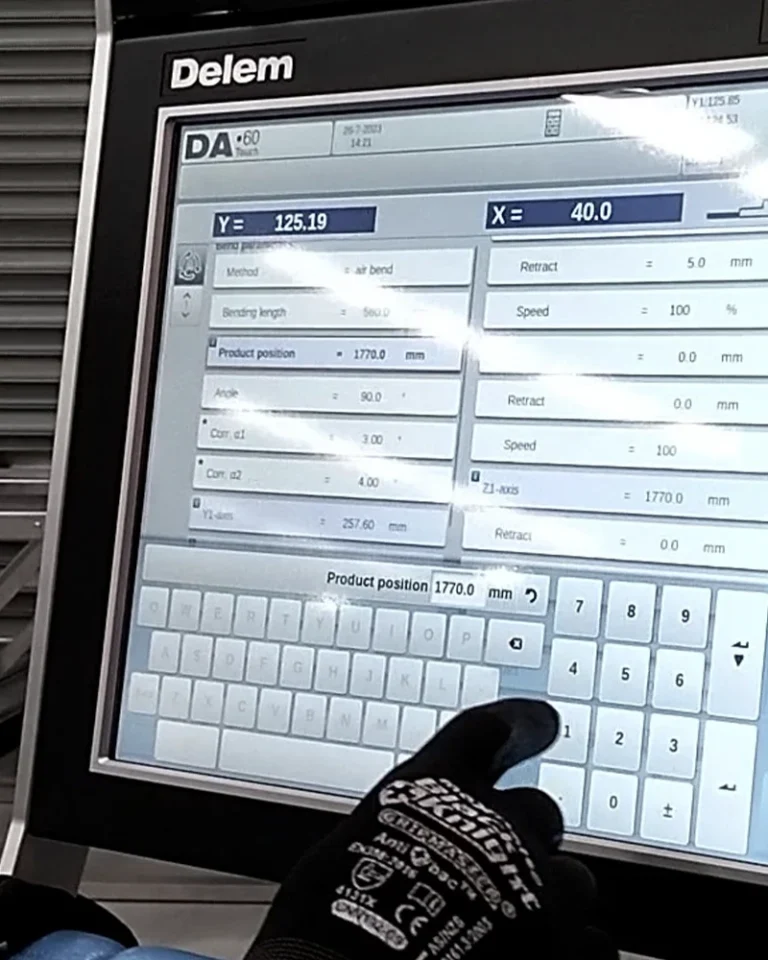
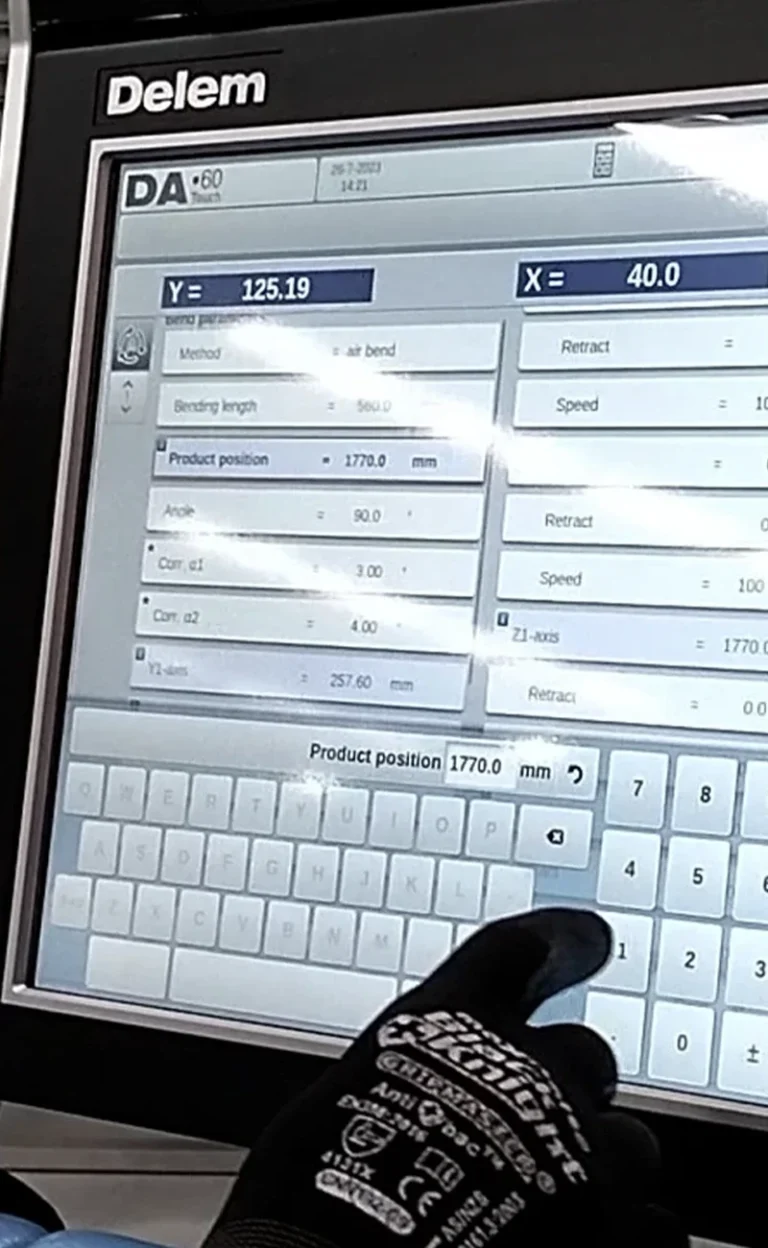
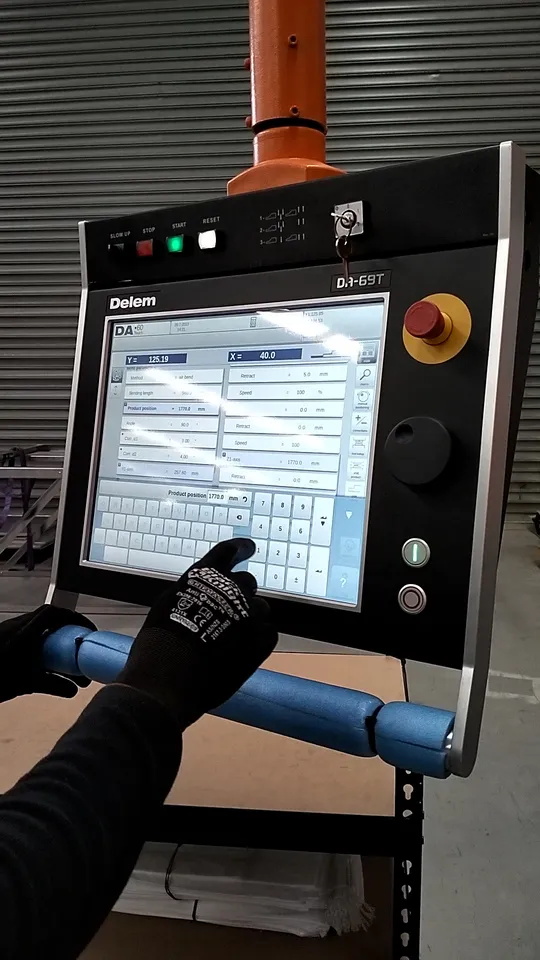
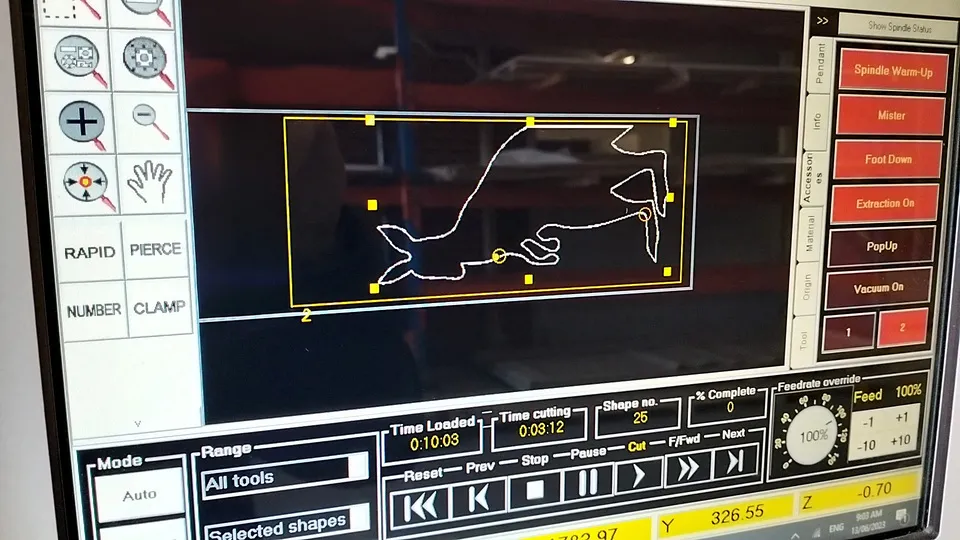
Our manufacturing capability is supported by advanced CAD/CAM systems that integrate directly with our CNC turret punch, CNC router, and CNC press brake.
Early CAD/CAM integration enables us to optimise sheet layouts, refine fold details, and validate machining strategies before fabrication. This proactive approach improves production efficiency, shortens lead times, and supports cost-effective outcomes without compromising design intent.
This digital workflow ensures design intent is translated accurately, efficiently, and repeatably into finished components.
Explore examples that show how CAD/CAM programming supports accurate production, panel layouts, CNC processing and project preparation. Click any image to enlarge and see how design details are translated into manufacturable outcomes.
Find answers to common questions about CAD/CAM programming, including design file preparation, CNC manufacturing support, sheet optimisation, fold planning and project review. These FAQs are designed to help fabricators, façade contractors, designers and project teams understand how Precise Metal Products turns drawings, artwork and project details into practical manufacturing outputs.
Hover over the questions below to see the answers.
CAD/CAM programming is used to translate drawings, design files and project details into manufacturable outputs for CNC turret punching, CNC router cutting and CNC press brake forming.
CAD/CAM programming helps validate machining strategies, optimise sheet layouts, review fold details and maintain repeatable accuracy across production runs. This helps ensure design intent is carried through into finished components.
Yes. CAD/CAM programming can help optimise sheet utilisation and plan efficient cutting, punching or forming sequences. This can reduce material waste and improve production efficiency.
A CAD/CAM review can identify potential design, tolerance or manufacturing issues before materials are processed. This gives project teams the chance to refine details early and reduce the risk of production delays.
Yes. Architectural drawings and design files can be converted into manufacturable outputs suitable for CNC processing, depending on file quality, project requirements and production feasibility.
Yes. CAD/CAM programming can help translate artwork, patterns and design concepts into files that can be processed through CNC equipment.